
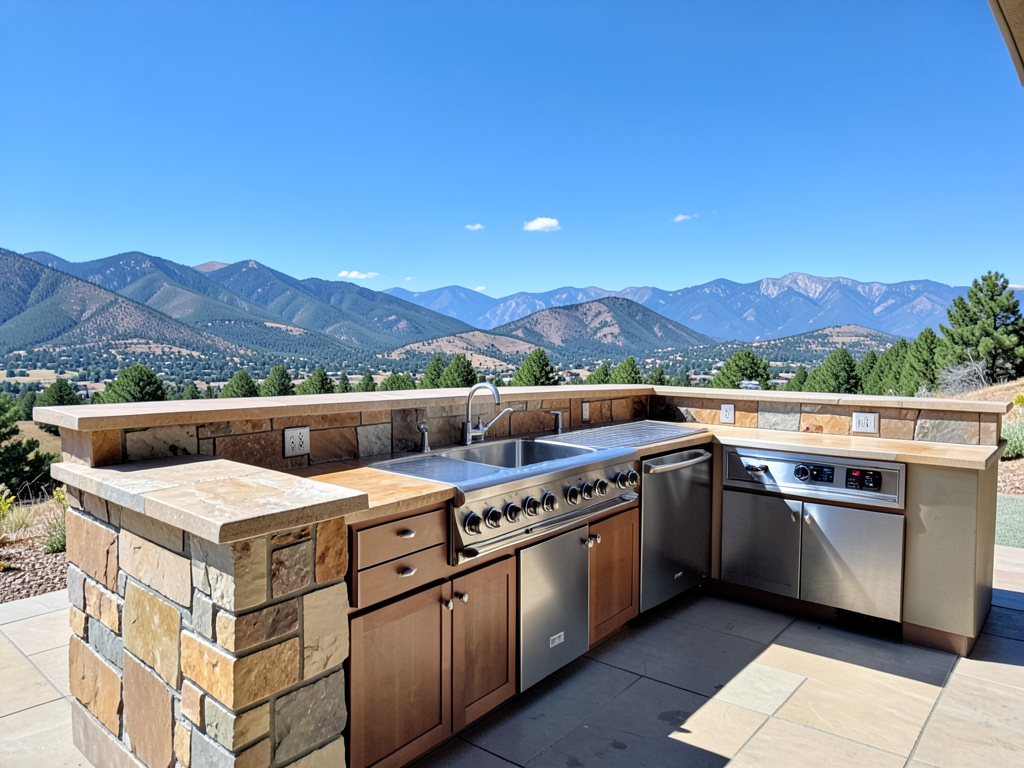
Colorado’s seasonal freeze-thaw cycles, intense summer sun, and variable moisture can take a toll on any hardscape surface, and your outdoor kitchen is no exception. Whether you’re entertaining guests on a spring evening or preparing dinner with the Rocky Mountains as your backdrop, keeping your outdoor cooking space in top condition requires a thoughtful maintenance plan. Homeowners in Littleton, Colorado who invest in outdoor kitchens quickly discover that proper care not only preserves the beauty of their hardscape but also protects their investment and ensures years of enjoyment. This comprehensive guide will walk you through seasonal maintenance strategies, material-specific care tips, and the preventive steps that make outdoor kitchen ownership straightforward and rewarding.
Why Outdoor Kitchen Maintenance Matters in Littleton’s Climate
The Front Range climate presents unique challenges for outdoor living spaces. Winter temperatures in Littleton can plunge below freezing for extended periods, while summer heat and afternoon thunderstorms create rapid temperature swings. These conditions accelerate wear on every component of your outdoor kitchen, from countertops and cabinets to grills and storage compartments. Without regular maintenance, moisture can infiltrate joints, freeze-thaw expansion can crack concrete or stone surfaces, and UV exposure can fade finishes.
Outdoor kitchens built with quality materials and professional installation stand up better to Colorado weather, but even the most durable construction benefits from routine care. At Carey Building Services, we design and install outdoor living spaces that integrate seamlessly with your landscape, using hardscape materials chosen for their durability and climate suitability. Proper maintenance extends the lifespan of every element and keeps your cooking area safe, functional, and beautiful through every season.
Spring Maintenance: Preparing Your Outdoor Kitchen After Winter
Spring is the ideal time to inspect your outdoor kitchen and address any damage or wear caused by winter weather. Begin with a thorough cleaning to remove accumulated dirt, leaves, and debris. Check all surfaces for cracks, chips, or separation at joints where freeze-thaw action may have caused movement.
Inspect Hardscape Surfaces
Examine countertops, backsplashes, and any paver or stamped concrete flooring around your cooking area. Look for signs of water infiltration such as staining, efflorescence (white mineral deposits), or spalling where the surface layer has flaked away. Small cracks can be sealed with appropriate masonry sealant; larger damage may require professional repair to prevent further deterioration.
Clean and Seal Stone and Concrete
Granite, marble, and other natural stone countertops benefit from resealing every one to three years depending on the product used and exposure. Concrete countertops and stamped concrete patios should also be resealed regularly to protect against moisture penetration and staining. Clean surfaces with a pH-neutral cleaner, allow them to dry completely, and apply a breathable penetrating sealer designed for your material type.
Service Your Grill and Appliances
Remove grill grates, burner covers, and heat deflectors. Scrub away grease and carbon buildup using a stiff brush and appropriate degreaser. Inspect gas lines and connections for cracks or corrosion, and test all burners to ensure even flame distribution. Check any built-in refrigerators, sinks, or other appliances for proper function and clean or replace filters as recommended by the manufacturer.
Check Plumbing and Drainage
If your outdoor kitchen includes a sink or ice maker, verify that water supply lines were properly winterized and inspect for leaks or damage. Ensure drain lines are clear and that water flows freely away from the cooking area. Proper drainage is essential in Littleton, where spring snowmelt and afternoon storms can deliver significant moisture in short periods.
Summer Maintenance: Keeping Your Outdoor Kitchen in Peak Condition
Summer is prime season for outdoor entertaining, and regular upkeep during these months keeps your kitchen ready for spontaneous gatherings and planned events. Focus on cleaning, protecting surfaces from intense sun, and managing the wear that comes with frequent use.
Weekly Cleaning Routine
After each use, wipe down countertops, clean the grill grates, and sweep or rinse the floor to prevent buildup of grease, food particles, and dirt. Use mild, non-abrasive cleaners that won’t damage sealants or finishes. For natural stone, avoid acidic cleaners like vinegar or lemon juice, which can etch the surface.
Protect Against UV Damage
Colorado’s high-altitude sun is intense, and UV exposure can fade stains, sealers, and finishes over time. Consider adding a pergola or arbor to provide shade and reduce direct sun exposure on cabinetry and appliances. If your outdoor kitchen is fully exposed, apply UV-resistant sealers and plan to refresh finishes more frequently.
Monitor for Pest Activity
Food odors and moisture attract insects and small animals. Store trash in sealed containers, keep cabinet doors closed, and inspect for signs of nests or damage. Seal any gaps around plumbing or utility penetrations to prevent entry.
Fall Maintenance: Preparing for Colorado’s Cold Season
As temperatures begin to drop and the risk of frost increases, take steps to protect your outdoor kitchen from winter damage. Fall maintenance is about prevention, ensuring that moisture, ice, and freezing temperatures won’t compromise your investment.
Deep Clean and Inspect
Conduct a thorough cleaning of all surfaces, appliances, and storage areas. Remove any food residue, grease, or organic material that could attract pests or cause odors. Inspect joints, seams, and fasteners for signs of loosening or wear.
Winterize Plumbing
Drain all water lines, disconnect hoses, and shut off outdoor water supplies. Follow the plumbing and appliance manufacturers’ winterization instructions; have a qualified professional handle any procedure you cannot complete safely. Even a small amount of trapped water can freeze, expand, and crack pipes or fittings. If your outdoor kitchen includes a sink or refrigerator with a water line, consult the appliance manual for specific winterization instructions.
Protect Appliances and Fixtures
Follow the grill manufacturer’s shutdown instructions. Store propane cylinders outdoors, never inside a home, garage or shed. Clean and cover your grill with a weatherproof, breathable cover that allows moisture to escape while protecting against snow and ice. Follow each appliance’s winter-storage instructions, including its permitted temperature range and any required shutdown or draining steps.
Cover and Seal
Use high-quality covers for countertops, seating areas, and any exposed cabinetry. Ensure covers fit snugly and are secured to prevent wind damage. Check that all sealant around countertops, backsplashes, and joints is intact; repair or reapply as needed to prevent water infiltration during freeze-thaw cycles.
Winter Maintenance: Monitoring and Mid-Season Care
While your outdoor kitchen may see little use during Littleton’s coldest months, periodic checks ensure that winter weather isn’t causing hidden damage. After heavy snowfall or ice storms, inspect your outdoor kitchen for any signs of stress or moisture accumulation.
Remove Snow and Ice Safely
Clear snow from countertops, covers, and surrounding hardscape using a plastic shovel or broom to avoid scratching surfaces. Avoid using metal tools or ice melt products that contain harsh chemicals, as these can damage sealers and concrete. If ice forms on walkways or patios near your outdoor kitchen, use sand for traction instead of salt-based deicers.
Check for Water Intrusion
Look for signs of water pooling, ice dams, or moisture trapped under covers. Water that freezes in cracks or joints can cause significant expansion damage. If you notice persistent moisture issues, consult a professional to assess drainage and make necessary adjustments.
Inspect Covers and Enclosures
Ensure that protective covers remain secure and undamaged. Wind can tear or displace covers, exposing surfaces to the elements. Repair or replace damaged covers promptly to maintain protection through the remainder of winter.
Material-Specific Maintenance Tips
Different hardscape and cabinetry materials require tailored care to maintain their appearance and performance. Understanding the specific needs of your outdoor kitchen components helps you protect your investment effectively.
Stamped Concrete Countertops and Patios
Stamped concrete offers the look of natural stone or tile at a more accessible price point and is a popular choice for outdoor kitchens in Littleton. Clean stamped concrete with a mild detergent and soft brush, avoiding pressure washers at close range, which can damage the surface or sealer. Use a sealer approved for the specific surface and its existing finish, and follow the product’s preparation and reapplication instructions. In winter, avoid deicing salts, which can cause surface scaling.
Natural Stone Countertops
Granite, marble, and quartzite are durable and heat-resistant, making them excellent countertop materials for outdoor kitchens. Check whether the stone and finish need sealing, then follow the stone supplier’s and sealer manufacturer’s instructions. Clean spills promptly to prevent staining, and use cutting boards and trivets to protect the surface. Avoid acidic cleaners and harsh chemicals that can etch or dull the finish.
Paver Patios and Flooring
Concrete and natural stone pavers provide a versatile, attractive flooring option around outdoor kitchens. Sweep regularly to remove debris and prevent staining. If pavers settle or shift, releveling may be necessary to maintain proper drainage and prevent tripping hazards. Apply a paver sealer every few years to enhance color and protect against moisture and staining.
Stainless Steel and Metal Components
Check that each appliance is rated for outdoor use; a stainless steel finish alone does not establish suitability. Wipe surfaces with a microfiber cloth and stainless steel cleaner to remove fingerprints, grease, and water spots. Inspect for rust or corrosion, especially around fasteners and welds, and address any issues promptly. Apply a protective coating or wax designed for stainless steel to help repel moisture.
Cabinetry and Storage
Outdoor cabinetry constructed from weather-resistant materials such as marine-grade polymer, stainless steel, or sealed wood requires periodic cleaning and inspection. Wipe down surfaces, check hinges and latches for proper operation, and ensure that seals around doors remain intact. For wood cabinetry, reapply protective stain or sealant as recommended by the manufacturer.
Drainage and Grading: Preventing Water Damage
Proper drainage is one of the most critical factors in protecting your outdoor kitchen from long-term damage. Water that pools on or around hardscape surfaces can infiltrate joints, freeze during cold weather, and cause cracking or heaving. In areas like Ken Caryl, Roxborough, and Columbine where sloped terrain is common, managing runoff is especially important.
Ensure that the patio or hardscape surrounding your outdoor kitchen slopes gently away from cooking and seating areas, directing water toward appropriate drainage points. If you notice standing water after storms or snowmelt, consult a professional to evaluate grading and drainage solutions. French drains, channel drains, or dry wells may be necessary to manage excess moisture effectively.
When to Call a Professional
While many maintenance tasks can be handled by homeowners, some situations require professional expertise. Structural cracks in countertops or retaining walls, persistent drainage issues, and gas line repairs should always be addressed by qualified contractors. If you’re unsure about the condition of your outdoor kitchen or need guidance on a specific repair, reach out to a local expert familiar with Colorado’s climate and building practices.
At Carey Building Services, we provide full-scale landscape and hardscape services, including the design and installation of outdoor kitchens that integrate beautifully with your property. Our team understands the demands of Littleton’s climate and builds outdoor living spaces with durability and longevity in mind. Contact Carey Building Services to discuss an outdoor kitchen project and confirm the services available for your property.
Seasonal Maintenance Checklist for Littleton Outdoor Kitchens
Staying organized with a seasonal checklist ensures that no maintenance task is overlooked. Here’s a quick reference to guide your efforts throughout the year:
Spring
- Inspect all surfaces for cracks, chips, or damage from freeze-thaw cycles
- Clean and reseal stone and concrete countertops and patios
- Service grills and appliances, checking gas lines and burners
- Verify plumbing and drainage are functioning properly
- Remove covers and store for the season
Summer
- Clean surfaces weekly after use
- Monitor UV exposure and consider adding shade structures
- Check for pest activity and seal entry points
- Inspect joints and sealants for wear
Fall
- Deep clean all components and remove food residue
- Winterize plumbing by draining water lines and disconnecting hoses
- Cover appliances and fixtures with weatherproof, breathable covers
- Inspect and repair sealants around countertops and joints
Winter
- Remove snow and ice carefully using plastic tools
- Check for water intrusion and ice formation
- Inspect covers and repair or replace as needed
- Monitor drainage areas to ensure proper function
Enhancing Your Outdoor Kitchen with Complementary Landscaping
A well-maintained outdoor kitchen becomes even more enjoyable when integrated with thoughtful landscaping and hardscape design. Consider adding landscape lighting to extend usability into evening hours, or install an irrigation system to keep surrounding plantings healthy and vibrant. Pergolas and arbors not only provide shade but also create defined spaces that enhance the overall atmosphere of your outdoor living area.
Coordinating your outdoor kitchen with retaining walls, paver patios, and decorative plantings creates a cohesive, inviting environment that reflects your style and meets your functional needs. Whether your property is nestled near Chatfield Reservoir, overlooks the foothills from Highlands Ranch, or sits in a quiet Littleton neighborhood, professional design and installation ensure that every element works together seamlessly.
Planning a new cooking area? Read our concrete and paver patio comparison to weigh surface and repair options.
Protecting Your Investment Year-Round
Maintaining your outdoor kitchen in Littleton, Colorado requires attention to seasonal weather patterns, material-specific care, and proactive prevention. By following a consistent maintenance routine and addressing issues promptly, you’ll preserve the beauty and functionality of your outdoor cooking space for years to come. Regular cleaning, proper winterization, and timely repairs protect against the freeze-thaw cycles, UV exposure, and moisture challenges that define the Front Range climate.
When you invest in a professionally designed and installed outdoor kitchen, you’re creating a space that enhances your home’s value and enriches your lifestyle. Whether you’re grilling on a summer evening, hosting a fall gathering, or simply enjoying the view of the Rockies from your backyard, a well-maintained outdoor kitchen is a source of pride and enjoyment.
If you’re ready to discuss a new outdoor kitchen installation or need expert advice on maintaining your existing space, call Carey Building Services at +1 720-608-9796. Discuss your layout, material choices and installation needs with our team. We’ll work with you to plan, build, and care for outdoor environments that are beautifully crafted and designed to last.