
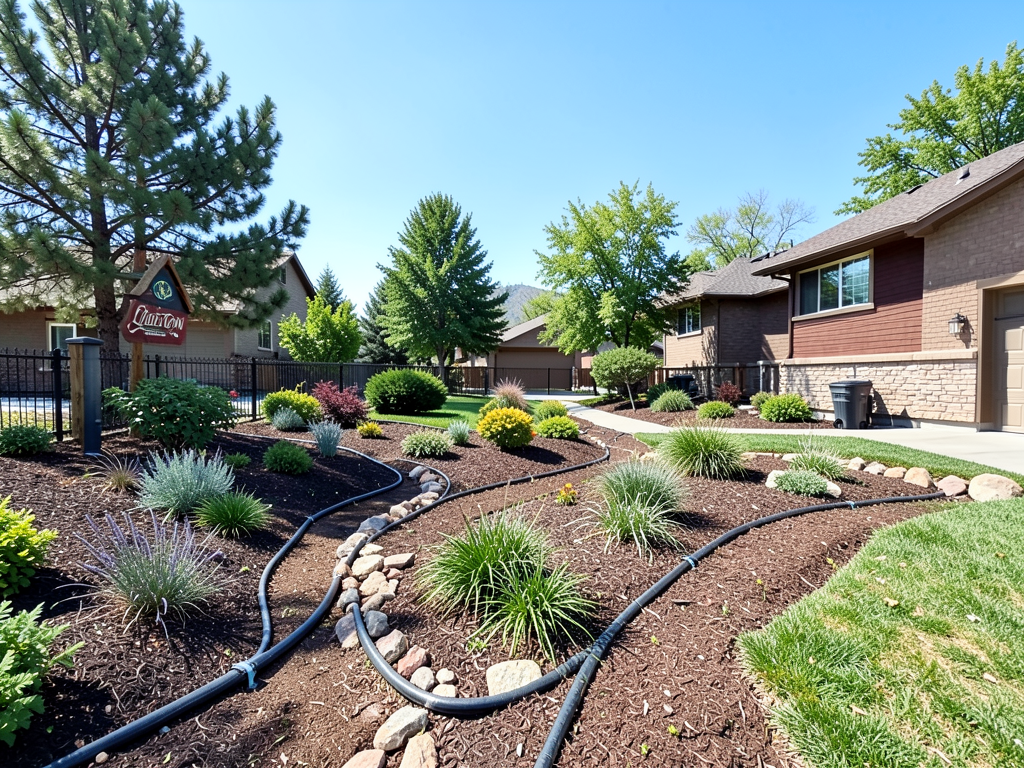
Homeowners across Littleton, Colorado, know that a beautiful yard requires more than careful planting and mowing—it demands proper water management. From sudden spring thunderstorms to late-summer cloudbursts and snowmelt runoff each spring, drainage challenges can damage foundations, erode soil, drown plant roots, and turn lawns into muddy obstacles. Recognizing the warning signs of poor drainage and understanding your options will protect your investment and set the stage for a healthier, more functional landscape. Carey Building Services specializes in drainage solutions alongside grading, hardscaping, and landscape installation throughout Littleton, ensuring that every outdoor project begins with a solid foundation and ends with long-term performance.
Why Drainage Matters in Littleton Landscapes
Colorado’s Front Range climate brings dramatic weather swings. Spring snowmelt and afternoon thunderstorms deliver intense pulses of water that test every slope, swale, and surface on your property. When drainage systems fail or were never installed, water pools against foundations, saturates planting beds, and carves channels through turf and mulch. Over time, standing water invites mosquitoes, stains hardscapes, and creates safety hazards on walkways and patios.
Proper drainage design protects structures, preserves plantings, and extends the life of patios, driveways, and retaining walls. Whether you live near Ketring Park, along the High Line Canal corridor, or in one of the hillside neighborhoods west of Santa Fe Drive, every Littleton property benefits from intentional water management that accounts for soil type, slope, and seasonal precipitation patterns.
Common Drainage Problems Homeowners Should Watch For
Understanding the symptoms of poor drainage helps you act before minor issues escalate into costly repairs. Watch for these warning signs around your Littleton home:
Pooling Water After Rain or Irrigation
Puddles that linger more than a few hours after a storm or sprinkler cycle indicate that water has nowhere to go. Low spots, compacted soil, or insufficient grade can trap runoff, drowning grass roots and creating muddy zones that interfere with foot traffic and outdoor enjoyment.
Soil Erosion and Gullies
When water flows too quickly across bare soil or poorly anchored slopes, it carves gullies and washes away topsoil. You may notice exposed roots, sediment deposits at the base of hills, or channels cutting through mulched beds. Erosion not only mars your landscape’s appearance but also destabilizes plantings and hardscape foundations.
Foundation Moisture and Basement Seepage
Water that collects against your home’s foundation can seep into crawl spaces or basements, leading to mold, structural damage, and indoor air-quality concerns. Downspouts that discharge too close to the house, negative grading that slopes toward the foundation, or missing perimeter drains all contribute to moisture intrusion.
Dying or Stressed Plants
Plants require oxygen at the root zone. When soil stays saturated for extended periods, roots suffocate and pathogens thrive. If sections of your lawn turn yellow, shrubs wilt despite watering, or trees develop cankers and dieback, poor drainage may be the underlying cause.
Stained or Settled Hardscapes
Patios, walkways, and driveways built without adequate base preparation or drainage provisions can settle unevenly, creating lips and depressions that trap water. Stains, efflorescence, and algae growth signal chronic moisture problems that compromise both aesthetics and longevity.
Effective Drainage Solutions for Colorado Properties
Once you’ve identified drainage issues, the next step is selecting the right combination of strategies to redirect, capture, or disperse water safely. Carey Building Services integrates drainage planning into every landscape and hardscape project, ensuring that grading, subsurface systems, and surface features work together seamlessly.
Grading and Slope Adjustment
Proper grading establishes gentle slopes that guide water away from structures and toward designated collection points. A minimum slope of two percent—roughly a quarter-inch drop per foot—is typically required to move water efficiently without creating erosion. Regrading existing lawns, planting beds, or hardscape surrounds corrects negative slopes and eliminates low pockets where water accumulates.
In neighborhoods with mature trees and established landscapes, such as Columbine Hills or areas near Littleton’s historic downtown, careful grading preserves root zones and existing features while improving overall water flow. Combining fine grading with soil amendments can also improve infiltration in clay-heavy soils common along the Front Range.
French Drains and Subsurface Systems
A French drain consists of a perforated pipe set in a gravel-filled trench that intercepts and channels groundwater away from problem areas. These systems excel at lowering the water table beneath lawns, foundations, and planting beds, preventing saturation and supporting healthy root development.
French drains can be routed to daylight outlets at the edge of your property, tied into municipal storm systems where allowed, or connected to dry wells that disperse water gradually into deeper soil layers. Strategic placement around retaining walls, along foundation perimeters, or beneath patios protects hardscape investments and eliminates chronic wet spots.
Catch Basins and Channel Drains
Surface drains collect runoff at low points, driveways, and patio edges before it can pond or flow toward unwanted areas. A catch basin features a grated inlet that captures water and routes it through underground piping to a safe discharge point. Channel drains—long, narrow grates set flush with paving—handle sheet flow across driveways, walkways, and patios, maintaining clean, dry surfaces even during heavy rain.
These systems integrate cleanly into hardscape designs, preserving curb appeal while delivering robust performance. When planning outdoor living spaces or driveway upgrades, incorporating catch basins and channels from the outset prevents future water damage and reduces maintenance.
Dry Creek Beds and Swales
For properties with natural slopes or room for ornamental features, dry creek beds and vegetated swales offer attractive, eco-friendly drainage solutions. A dry creek bed mimics a natural streambed using river rock, boulders, and carefully graded soil to channel runoff during storms while adding visual interest when dry.
Swales are shallow, vegetated channels that slow water flow, promote infiltration, and filter sediment. Planted with native grasses, sedges, or low shrubs adapted to periodic moisture, swales integrate drainage function with landscape beauty. These features work especially well in larger Littleton yards near open space corridors or along the High Line Canal, where naturalistic design complements surrounding environments.
Retaining Walls with Integrated Drainage
Retaining walls manage elevation changes and prevent soil erosion, but they also must handle hydrostatic pressure from water building up behind the wall. Without proper drainage, that pressure can cause walls to crack, bulge, or fail entirely.
Effective retaining-wall design includes a gravel backfill zone, perforated drain pipe at the base, and weep holes or drainage channels that allow water to exit safely. Whether you choose boulder walls for a natural look or decorative block for clean lines, integrating drainage into the wall system ensures structural integrity and long-term performance. Learn more about durable hardscape installations that combine beauty with engineering best practices.
Coordinating Drainage with Patios and Hardscapes
Hardscape surfaces—patios, walkways, driveways—are impermeable, meaning they shed water rather than absorbing it. When you add or expand paved areas, you must account for the additional runoff volume and direct it away from structures and plantings.
Patio Slope and Edge Drainage
Even a flat-looking patio should slope at least one to two percent away from the house to prevent water from pooling or running back toward the foundation. Edge drains or French drains installed along the patio perimeter capture runoff before it reaches lawn or planting beds, protecting both the hardscape base and adjacent landscape.
Permeable paver systems offer an alternative that allows water to infiltrate through joints or porous materials, reducing runoff and recharging groundwater. While not suitable for every application—especially in freeze-thaw climates where ice can complicate maintenance—permeable options can be effective in lower-traffic areas or as part of a hybrid drainage strategy.
Driveway and Walkway Runoff
Driveways generate significant runoff, particularly on sloped lots common in west Littleton neighborhoods. Channel drains at the driveway apron, strategically placed catch basins, or gravel infiltration strips along edges help manage water before it reaches the street or flows onto neighboring properties.
Brick and paver walkways benefit from similar attention. Proper base preparation—crushed stone with adequate compaction—supports the surface while allowing subsurface water to drain. Integrating these elements during installation avoids settling, frost heave, and staining that compromise both function and curb appeal.
Soil Considerations and Grading Basics
Colorado soils vary widely, from sandy loams to heavy clays. Clay-rich soils, prevalent in much of Littleton, drain slowly and expand when wet, creating challenges for both plantings and hardscape foundations. Amending clay with compost or sand improves infiltration but must be done correctly to avoid creating impermeable layers.
Grading work should account for existing soil conditions, adjusting slopes and incorporating drainage layers where needed. A geotextile fabric beneath gravel or drain pipe prevents soil migration and maintains long-term system performance. When regrading large areas, topsoil should be stripped, stored, and replaced after rough grading to preserve valuable organic material for plantings.
Seasonal Drainage Challenges in Littleton
Colorado’s seasons each bring unique drainage demands. Spring snowmelt can release weeks of accumulated moisture in a matter of days, overwhelming undersized systems. Summer thunderstorms deliver intense, short-duration rainfall that tests surface drainage and erosion controls. Fall brings leaf debris that can clog grates and pipes, while winter freeze-thaw cycles stress hardscapes and create ice dams where water cannot escape.
Designing drainage systems with seasonal extremes in mind ensures year-round performance. Sizing pipes and drains for peak flow, installing debris guards on catch basins, and ensuring proper slope and insulation where frost penetration is a concern all contribute to resilient, low-maintenance solutions.
Planning a Comprehensive Drainage Strategy
Effective drainage rarely relies on a single solution. Instead, a comprehensive approach combines grading, subsurface systems, surface drains, and landscape features to manage water from the moment it lands on your property until it exits safely.
Start by observing your property during and after rain. Note where water collects, which direction it flows, and how quickly it disperses. Identify problem zones—foundation perimeters, low lawn areas, eroded slopes—and prioritize solutions that address the most critical issues first.
Work with a team that understands both landscape and hardscape construction, so drainage planning integrates seamlessly with patios, retaining walls, planting beds, and irrigation. Carey Building Services coordinates every phase of landscape transformations, ensuring that drainage infrastructure supports the beauty and function of your finished outdoor space.
Questions to Ask Your Drainage Contractor
When evaluating drainage solutions, ask potential contractors these key questions:
- How will you assess existing site conditions? A thorough evaluation includes soil testing, topographic analysis, and observation of water flow patterns.
- What drainage methods do you recommend for my property? The right mix depends on slope, soil type, lot size, and the location of structures and plantings.
- How will drainage integrate with existing or planned hardscapes? Coordination prevents conflicts and ensures that patios, walls, and driveways enhance rather than hinder water management.
- What maintenance will the system require? Understanding cleaning schedules, debris removal, and inspection routines helps you budget time and resources.
- Can you provide examples of similar projects? Reviewing past work demonstrates experience with Colorado conditions and complex drainage challenges.
Protecting Your Investment with Proactive Drainage
Drainage problems rarely improve on their own. Left unaddressed, minor pooling becomes foundation damage, small gullies grow into unstable slopes, and saturated soil kills plantings and undermines hardscapes. Proactive drainage planning protects your home, preserves your landscape investment, and creates outdoor spaces you can enjoy in every season without worry.
Whether you’re planning a new patio, installing a retaining wall, or transforming an entire yard, integrating drainage solutions from the start saves time, money, and frustration. Retrofitting drainage after construction is always more disruptive and expensive than building it in from the beginning.
Start Your Drainage Project in Littleton
If you’ve noticed pooling water, erosion, foundation moisture, or other signs of drainage trouble on your Littleton property, now is the time to act. Carey Building Services brings expertise in grading, subsurface drainage, hardscape integration, and landscape installation to every project, delivering coordinated solutions that perform beautifully year after year.
From small backyard fixes to comprehensive site transformations near Chatfield Reservoir, Highlands Ranch, or Ken Caryl, we handle drainage planning and installation as part of a complete outdoor construction process. Call +1 720-608-9796 today to discuss your drainage concerns and start planning a landscape that manages water intelligently, protects your investment, and enhances your enjoyment of your outdoor space.