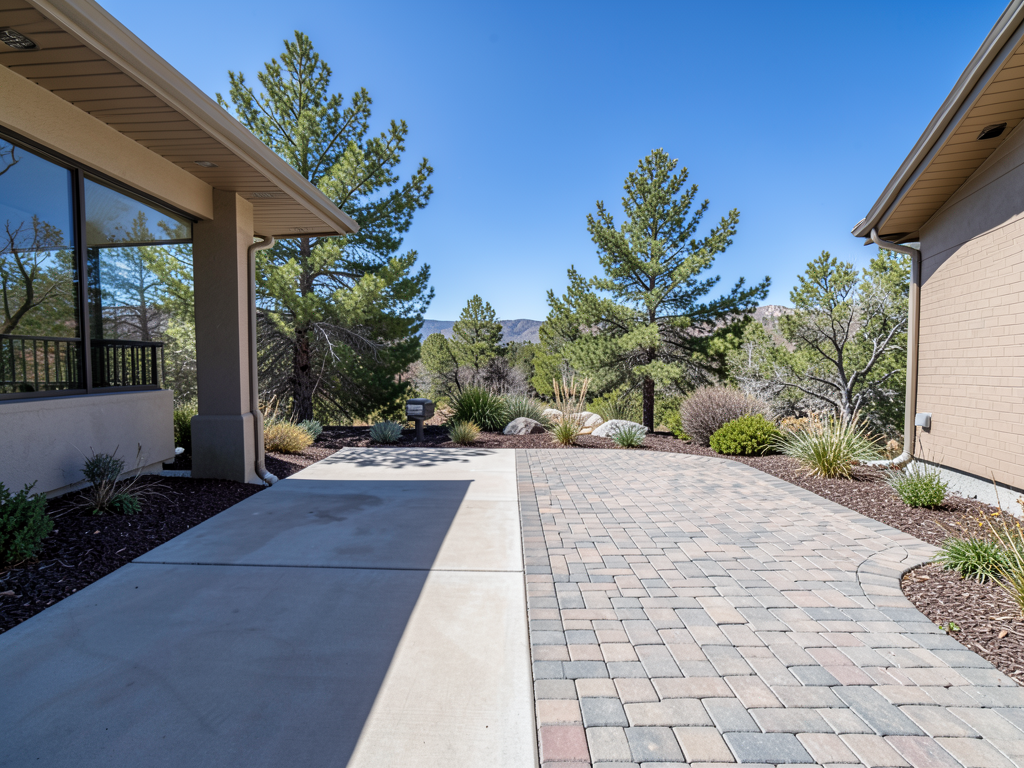
When you’re planning a new patio or planning to refresh an existing one in Littleton, Colorado, one of the most important decisions you’ll face is choosing between concrete and paver materials. Both options offer distinct advantages for residential and commercial outdoor spaces, and understanding the differences will help you select the solution that best matches your aesthetic goals, budget, and long-term maintenance expectations. At Carey Building Services, we guide homeowners and business owners through every phase of their outdoor project—from initial design and grading through hardscape installation—so you can make informed choices that deliver lasting beauty and function across Colorado’s unique climate.
Understanding Concrete Patios: Durability and Design Flexibility
Poured concrete patios have been a reliable choice for decades, offering a continuous surface that can be customized through color, texture, and finish techniques. When properly installed with adequate base preparation and drainage planning, a concrete patio provides a solid foundation for outdoor living spaces throughout Littleton and surrounding communities like Ken Caryl, Columbine, and Highlands Ranch.
Advantages of Concrete Patios
- Cost-effective installation: Poured concrete typically costs less per square foot than individual pavers, making it an attractive option for larger patios or tighter budgets.
- Seamless surface: The continuous slab eliminates gaps where weeds can grow or sand can wash away, reducing some maintenance tasks.
- Design versatility: Concrete can be stamped, stained, or colored to mimic natural stone, brick, or custom patterns, offering creative freedom without the premium price of natural materials.
- Quick installation: Once the base is prepared, concrete can be poured and finished in a shorter time frame compared to laying individual pavers.
Considerations and Limitations
While concrete offers many benefits, it’s important to understand its limitations in Colorado’s climate. Freeze-thaw cycles can cause cracking over time, especially if the base isn’t properly compacted or if drainage isn’t adequately planned. Control joints help guide where shrinkage cracks occur; isolation joints allow movement where a slab meets other structures. Joint layout should be planned for the installation. Repairs can also be challenging—patching a crack or damaged section often results in color mismatches, and replacing a portion of a concrete slab is more invasive than swapping out a few pavers.
Concrete surfaces can also become slippery when wet or icy, a consideration for safety during Colorado winters. Textured or broomed finishes improve traction but may reduce the smooth, polished look some homeowners prefer. Additionally, once a concrete patio is poured, making changes to the layout or adding features like planters or fire pits requires cutting or demolishing sections of the slab.
Exploring Paver Patios: Flexibility and Long-Term Value
Paver patios consist of individual units—concrete pavers, brick, or natural stone—laid in patterns over a compacted base. This modular approach offers distinct advantages in flexibility, repair, and long-term performance, making pavers a popular choice for homeowners in Littleton who want a high-end look with practical benefits.
Key Benefits of Paver Patios
- Easy repairs: Individual pavers can be lifted and replaced if damaged, stained, or if you need to access utilities beneath the patio. This avoids the patching challenges associated with concrete slabs.
- Design flexibility: Pavers come in a wide range of colors, shapes, and textures, allowing you to create intricate patterns, borders, or mix materials for a custom look that complements your home’s architecture.
- Drainage planning: Standard paver patios still need suitable grading and drainage. Permeable paving uses a specifically designed joint and base system to manage water.
- Longevity and stability: Individual pavers can accommodate some movement, but cracking or settlement is still possible. Performance depends on the product, base preparation, drainage and maintenance.
Potential Drawbacks
Paver patios generally cost more upfront than poured concrete due to material and labor expenses. The installation process is also more time-intensive, as each paver must be carefully placed and leveled. Joint sand can wash out over time, requiring periodic re-sanding to maintain stability and prevent weed growth, though polymeric sand reduces this maintenance need. Snow removal can also be slightly more challenging on pavers if the surface isn’t perfectly level, although a properly graded and compacted base minimizes this issue.
Comparing Performance in Littleton’s Climate
Colorado’s climate presents unique challenges for outdoor hardscapes, particularly the intense freeze-thaw cycles that occur throughout fall, winter, and early spring. Understanding how concrete and pavers respond to these conditions will help you choose the material that performs best over the long term.
Freeze-Thaw Durability
Concrete is a porous material that absorbs moisture. When water seeps into the slab and freezes, it expands, creating internal pressure that can lead to surface spalling, cracking, or joint failure. Proper sealing and drainage planning reduce this risk, but even well-maintained concrete patios in Littleton may develop cracks over time.
Paver performance varies by material, product and installation. Ask for the selected product’s freeze-thaw suitability and a base and drainage design matched to your site.
Drainage and Water Management
Effective drainage is critical for any patio, and the choice between concrete and pavers influences how water moves across and away from the surface. Concrete requires careful grading and may benefit from integrated drains or channels to prevent pooling. Standing water accelerates wear and increases the risk of ice formation during winter.
A permeable paver system can let water pass through open joints into a designed aggregate base. Standard paver patios should not be assumed to provide this drainage function; soil conditions and the site’s drainage plan determine the appropriate system.
Aesthetic Considerations: Matching Your Home and Landscape
Your patio is a central feature of your outdoor living space, and its appearance should harmonize with your home’s architectural style, existing landscaping, and personal taste. Both concrete and pavers offer aesthetic flexibility, but the final look will differ significantly.
Concrete Design Options
Stamped concrete can replicate the look of stone, slate, brick, or even wood, providing a high-end appearance at a fraction of the cost of natural materials. Color hardeners and stains expand the palette, allowing you to match or contrast with your home’s exterior. Exposed aggregate finishes add texture and visual interest while improving slip resistance.
However, stamped patterns are applied to the surface and may wear over time, especially in high-traffic areas. The uniformity of a concrete slab can also feel less dynamic than the varied tones and textures found in natural stone or high-quality pavers.
Paver Design Possibilities
Pavers offer unmatched design versatility. You can mix colors, create geometric patterns, incorporate borders, or blend materials like flagstone and brick to achieve a truly custom look. Natural stone pavers bring unique character with varied hues and textures, while manufactured concrete pavers provide consistency and a wide range of styles.
The modular nature of pavers also makes it easier to integrate features like inlaid fire pits, planters, or seating walls into your patio design. If you decide to expand or reconfigure your outdoor space down the line, pavers can be lifted, rearranged, or supplemented without demolishing the entire surface.
Maintenance Requirements Over Time
Understanding the ongoing care each material requires will help you choose the option that fits your lifestyle and willingness to invest time in upkeep.
Concrete Patio Maintenance
Concrete patios benefit from regular sealing every two to three years to protect against moisture penetration, staining, and surface wear. Pressure washing removes dirt and mildew, and minor cracks can be filled with patching compounds, though color matching remains a challenge. Over time, the surface may show wear from UV exposure, de-icing salts, and foot traffic, requiring resurfacing or refinishing to restore its appearance.
Paver Patio Maintenance
Paver patios require periodic joint sand replenishment and occasional sealing to enhance color and protect against stains. Weeds can sprout between pavers if joint sand washes away, but polymeric sand significantly reduces this issue. Individual pavers that become stained or damaged can be replaced without affecting the rest of the patio, making spot repairs straightforward and cost-effective. Sweep regularly and follow the paver manufacturer’s cleaning instructions. Pavers can crack or shift, but damaged units can often be replaced individually.
Cost Considerations and Return on Investment
Budget is a major factor in any hardscape project, and understanding the full cost picture—including installation, maintenance, and potential repairs—will help you make a sound financial decision.
Initial Installation Costs
Poured concrete typically costs less per square foot than pavers, making it an appealing choice for larger patios or projects with budget constraints. However, decorative finishes like stamping or staining add to the base price, narrowing the cost gap between the two materials.
Paver patios require more labor due to the precision needed to lay and level each unit, which increases installation costs. High-end natural stone pavers will command a premium, but manufactured concrete pavers offer a middle ground that balances cost and aesthetics.
Long-Term Value
While concrete may be cheaper upfront, the potential for cracking, patching, and resurfacing can add to long-term costs. Pavers, with their durability and ease of repair, often deliver better value over the life of the patio. Compare installation, upkeep and repair costs for your project; a higher resale return is not guaranteed.
Integrating Hardscapes with Full-Scale Landscape Transformations
Your patio doesn’t exist in isolation—it’s part of a broader outdoor environment that includes grading, drainage, planting, and other hardscape elements. Coordinating these components from the start ensures a cohesive, functional design that maximizes your property’s potential.
At Carey Building Services, we specialize in full-scale landscape transformations that integrate hardscaping with grading, retaining walls, outdoor kitchens, pergolas, and planting. Whether you’re building a new patio in Roxborough Park or updating an existing outdoor space in Deer Creek, we handle every phase of the project with expert precision, ensuring that materials, drainage, and design work together seamlessly.
Proper grading is essential for both concrete and paver patios, directing water away from your home’s foundation and preventing pooling on the patio surface. Retaining walls may be necessary on sloped properties, and integrating landscape lighting or irrigation systems during the hardscape installation saves time and expense compared to retrofitting later.
Making the Right Choice for Your Littleton Property
Choosing between concrete and paver patios depends on your priorities, budget, and vision for your outdoor space. If you value a lower initial investment, a seamless surface, and don’t mind the potential for future cracking or patching, a well-designed concrete patio can serve you well. If you prioritize modular repairs and pattern options, compare paver products and installation quotes alongside concrete options.
Consider how you plan to use the patio, the architectural style of your home, and your willingness to invest in maintenance. Think about the long-term performance in Colorado’s climate and how the patio will integrate with other outdoor features like decks, outdoor kitchens, or landscape lighting.
If your patio will include a cooking area, review our outdoor kitchen maintenance checklist before choosing materials.
Start Planning Your Patio Project Today
Whether you’re leaning toward the affordability and simplicity of concrete or the flexibility and durability of pavers, the team at Carey Building Services is here to guide you through the decision and bring your vision to life. We manage every aspect of your outdoor project—from design and grading through hardscape installation and planting—so you can enjoy a beautifully crafted, cohesive landscape that’s built to last.
If you’re ready to explore your options and start planning your patio in Littleton, Colorado, call us today at +1 720-608-9796 to discuss your project and learn how we can transform your outdoor space.